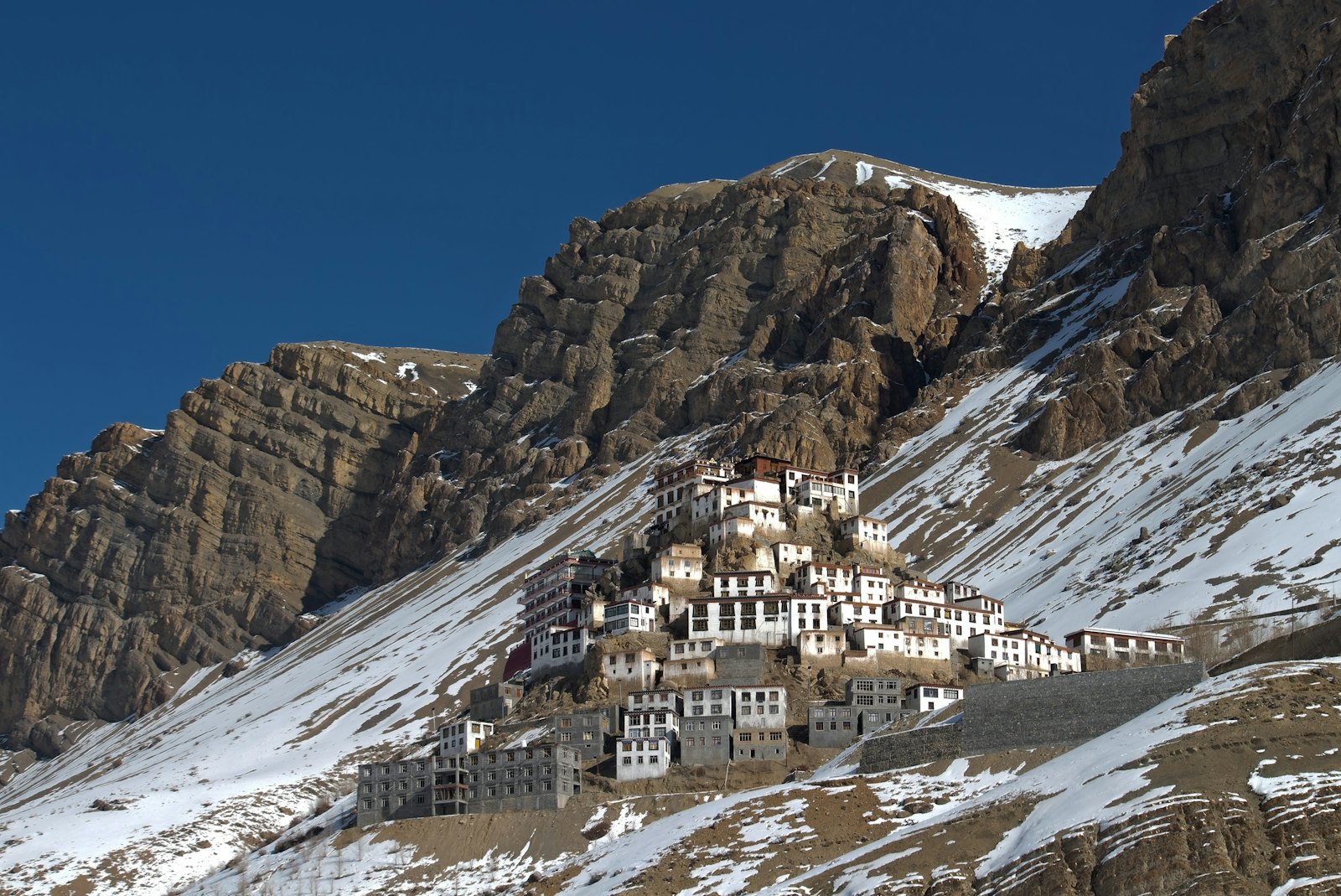
Kang La
A remote glacier expedition connecting Miyar valley with Zanskar. Long glacier stages and the pass crossing require technical glacier skills, suitable equipment and an experienced team.
Trek overview
The Miyar approach develops into a technical glacier crossing before descending towards Zanskar. The glacier stages distinguish Kang La from the main Miyar Valley walking itinerary. Specialist skills, equipment and an experienced expedition team are required for the crossing.
Plan 11 days for the itinerary below. The highest listed point is approximately 5,469 metres, and the trek is graded challenging. Season: Confirm with expedition team. Daily walking distances and times are approximate; trail conditions can change the pace and route.
What’s included
- Accommodation as per itinerary (guesthouse/homestay at the road head, twin/triple-sharing tents on the trail)
- All vegetarian meals from breakfast on Day 1 to breakfast on the last day
- Certified Sapta Shikhar trek leader, local guide, cook and support staff
- Forest/park permits and entry fees listed under Permits
- Camping gear: tents, sleeping bags, sleeping mats, dining and toilet tents
- First-aid kit, oxygen cylinder, pulse oximeter and stretcher at camps
- Safety equipment such as microspikes/gaiters where conditions need them
Not included
- Travel to and from the pickup point
- Shared transport between Manali and the road head (charged separately, see Logistics)
- Backpack offloading (available on request at an extra charge)
- Trek insurance (mandatory – see Logistics)
- Personal expenses, snacks, bottled water and tips
- Anything not listed under inclusions
- Costs from weather, landslides, roadblocks, flight cancellations or evacuation
Upcoming departures
Dates coming soonNew departure dates will appear here once bookings open. Contact the expedition team to plan your journey.
Itinerary
11 daysArrive in Rumsu.
Follow the reference stage Udaipur → Khanjer. This day links the named route stops; exact timings and the operating campsite need departure confirmation.
Allow 6 hours on foot; pace and conditions can change the time.
Allow 6 hours on foot; pace and conditions can change the time.
Allow 7 hours on foot; pace and conditions can change the time.
Allow 9 hours on foot; pace and conditions can change the time.
Allow 7 hours on foot; pace and conditions can change the time.
Allow 12 hours on foot; pace and conditions can change the time.
A flexible day in the itinerary for weather or delays on the mountain. Its use depends on the progress of the journey and trail conditions.
Follow the reference stage Bardan → Padum. This day links the named route stops; exact timings and the operating campsite need departure confirmation.
Follow the reference stage Return transfer. This day links the named route stops; exact timings and the operating campsite need departure confirmation.
ROUTE MAP
Route outline from the day-by-day itinerary, not to scale.
Getting there
Pickup point
Manali Bus Stand (near Beas Bridge), Himachal Pradesh. Drop back at the same point around evening on Day 11.
Open in Maps ↗Reporting time
7:00 AM on Day 1 at Manali.
Transport
Shared Tempo Traveller/SUV Manali → Rumsu → Khanjer, and Padum → Manali: approx. ₹6,500 per person (round trip), paid to Sapta Shikhar along with the balance. Not included in the trek fee. Private cab on request at extra cost.
Safety
Every batch is led by a Sapta Shikhar trek leader trained in wilderness first aid (WFR/WAFA), supported by a local guide and camp staff. We keep a staff-to-trekker ratio of about 1:8. Oxygen cylinders, a pulse oximeter and a full medical kit travel with the group, and blood-oxygen and pulse are checked every morning and evening. The itinerary builds altitude gradually; anyone showing signs of altitude sickness descends with a staff member. The trek leader has the final call on turn-around times and on sending a trekker back for health or safety reasons. In an emergency, the team arranges descent to the road head and transport to the nearest hospital; evacuation costs are borne by the trekker.
Insurance
Trek insurance covering high-altitude trekking up to at least 5,500 m, medical treatment and evacuation is mandatory for every participant. Carry a copy of the policy along with a government photo ID and a signed medical/fitness certificate (download from your booking). Standard policies may exclude pre-existing conditions, altitude above the stated limit, and losses due to negligence.
Preparation
Prepare for sustained ascent, long descents and several days on remote mountain trails. Review your previous trekking experience with the expedition team before choosing this itinerary. Keep all scheduled acclimatisation stages, and confirm any snow, glacier or technical equipment requirements before arrival.
Build a regular walking routine with uphill and downhill practice, then progress to consecutive walking days with your daypack. Break in your trekking footwear before departure. Pack layers, rain protection, a headlamp, sun protection and reusable water bottles; use the final departure packing list to check equipment.
Trek guide
Challenging trek, aged 16 and above. Only for experienced trekkers with at least one high-altitude trek above 4,000 m. You should be able to run 10 km in about 70 minutes and carry a 10 kg pack on steep ground. Start cardio (jogging, stairs, cycling) 4–6 weeks in advance and add squats and lunges for the descent. People with heart, lung or uncontrolled BP conditions must get a doctor's clearance.
Take an overnight Volvo from Delhi or Chandigarh to Manali (12–14 hours) or fly to Bhuntar (Kullu), about 50 km away. Reach Manali the day before Day 1 to rest. Pickup is at 7:00 AM from Manali Bus Stand (near Beas Bridge). Book return travel only after the expected drop time (evening on Day 11), keeping a buffer for mountain-road delays.
Day 1: base camp at Rumsu (tents/rooms). Day 2–8: tents (twin/triple sharing). Day 10: guesthouse/homestay in Padum. Tents are alpine tents with sleeping bags rated to about −10°C and sleeping mats. The buffer day is used only if weather or the group needs it.
Freshly cooked vegetarian meals are served through the trek – breakfast, packed or hot lunch, evening tea with snacks, soup and dinner. Eggs may be served at road-head stays. Inform us in advance about allergies or Jain food requirements.
You can hand over your backpack to mules/porters for ₹500–₹700 per day (book at least 5 days before departure), where the route allows it. Carry a daypack with water, snacks, rain gear and a warm layer.
Trekking shoes, poles, down jackets, rain ponchos, gaiters and microspikes can be rented in Manali or reserved with us in advance, subject to availability.
Area and camping permissions for Lahaul and Zanskar are arranged by Sapta Shikhar. Carry an original government photo ID (Aadhaar/passport/DL; foreign nationals carry passport) and the signed medical certificate.
There is no mobile network from Khanjer until Padum (BSNL only, patchy).
Dry-pit toilet tents are set up at every campsite. There are no showers on the trail; carry wet wipes and biodegradable soap. Charging points are available only at road-head stays.
For a cancellation you request: if the full booking amount has been paid, 50% of the total booking amount is refunded; if only the advance or a partial amount has been paid, there is no refund. If Sapta Shikhar cancels or materially changes a departure, the team reviews it separately and offers a documented resolution — your statutory rights are not affected. Full policy: https://saptashikhar.com/policies/cancellation
FAQs
The Miyar approach develops into a technical glacier crossing before descending towards Zanskar. The glacier stages distinguish Kang La from the main Miyar Valley walking itinerary. Specialist skills, equipment and an experienced expedition team are required for the crossing.
The itinerary on this page covers 11 days. Check the individual stages for road travel, walking, acclimatisation and any buffer day, and allow flexibility around onward travel.
This itinerary is graded challenging and reaches approximately 5,469 m at its highest listed point. Prepare for sustained ascent, long descents and several days on remote mountain trails. Review your previous trekking experience with the expedition team before choosing this itinerary. Keep all scheduled acclimatisation stages, and confirm any snow, glacier or technical equipment requirements before arrival.
The listed season is Confirm with expedition team. Snow, rainfall, trail access and visibility vary within those months. Check the conditions and confirmed itinerary for your chosen departure.
The Dates & booking panel shows departures available through Sapta Shikhar. Open the booking page to choose a date and see the amount payable. Test departures, where present, are clearly labelled and are for checkout testing only.
Build a regular walking routine with uphill and downhill practice, then progress to consecutive walking days with your daypack. Break in your trekking footwear before departure. Pack layers, rain protection, a headlamp, sun protection and reusable water bottles; use the final departure packing list to check equipment.
Weather, trail access, permits and the pace of the group can affect the route and timing. Follow the expedition briefing and keep flexibility in your return travel plans.
Talk to the expedition team
Checking your account…