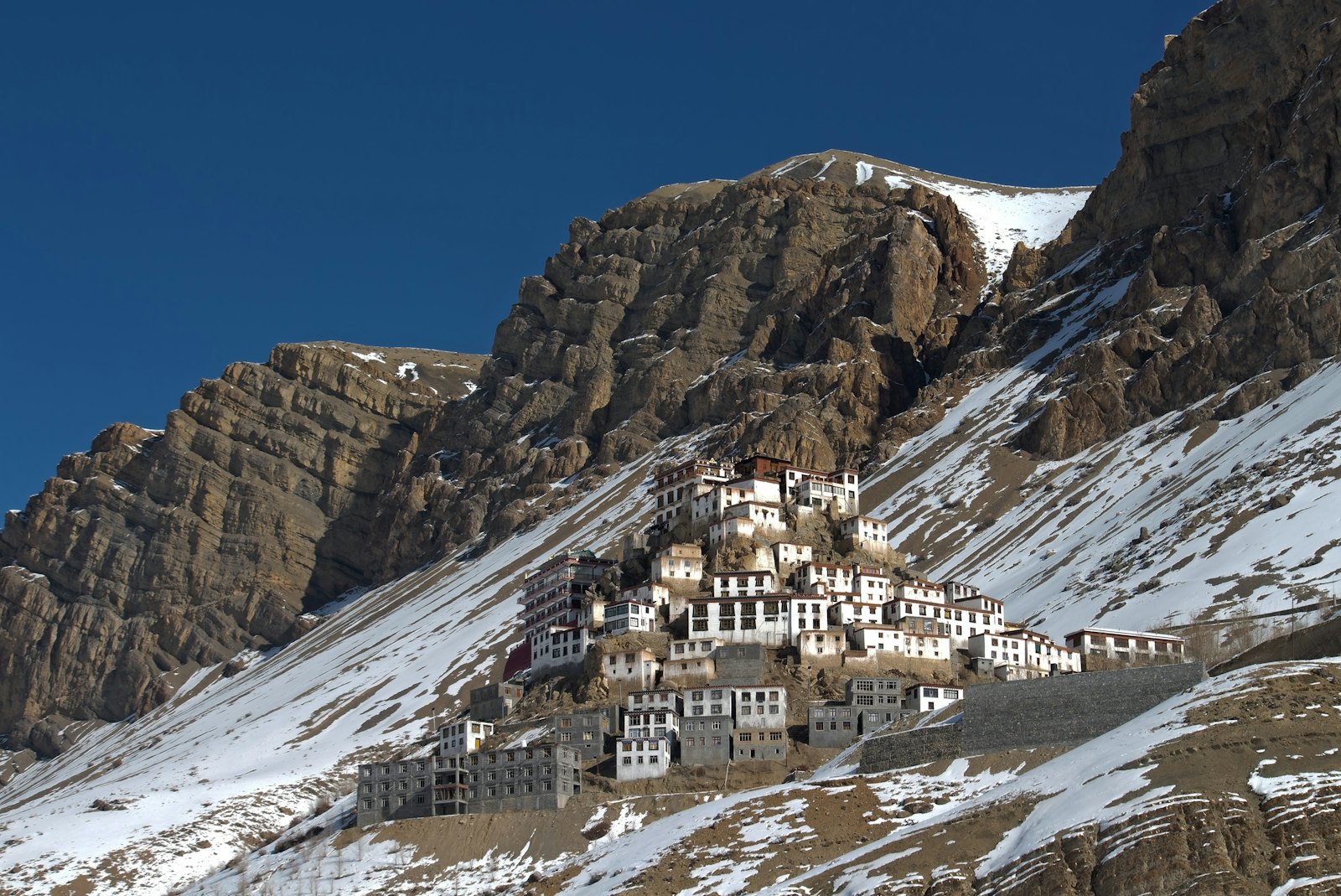
Sar Pass
Climb out of the Parvati valley through Grahan and high meadow camps. The pass day includes snow terrain in the early season and a substantial descent to Biskeri Thach.
Trek overview
Grahan and the higher meadow camps form the approach from the Parvati valley. The pass stage leads into the descent towards Biskeri Thach, so the crossing combines ascent and a long downhill effort. Snow is seasonal; the conditions on the upper route can change through the operating months.
Plan 6 days for the itinerary below. The highest listed point is approximately 4,206 metres, and the trek is graded moderate. Season: Apr–Jun. Daily walking distances and times are approximate; trail conditions can change the pace and route.
What’s included
- Accommodation as per itinerary (guesthouse/homestay at the road head, twin/triple-sharing tents on the trail)
- All vegetarian meals from breakfast on Day 1 to packed lunch on the last day
- Certified Sapta Shikhar trek leader, local guide, cook and support staff
- Forest/park permits and entry fees listed under Permits
- Camping gear: tents, sleeping bags, sleeping mats, dining and toilet tents
- First-aid kit, oxygen cylinder, pulse oximeter and stretcher at camps
- Safety equipment such as microspikes/gaiters where conditions need them
Not included
- Travel to and from the pickup point
- Shared transport between Kasol and the road head (charged separately, see Logistics)
- Backpack offloading (available on request at an extra charge)
- Trek insurance (mandatory – see Logistics)
- Personal expenses, snacks, bottled water and tips
- Anything not listed under inclusions
- Costs from weather, landslides, roadblocks, flight cancellations or evacuation
Upcoming departures
Dates coming soonNew departure dates will appear here once bookings open. Contact the expedition team to plan your journey.
Itinerary
6 daysArrive in Kasol.
Walking stage: Kasol to Grahan. The walking section is approximately 9 km. Allow around 5-6 hours on foot.
Walking stage: Grahan to Min Thach. The walking section is approximately 6 km. Allow around 6-7 hours on foot.
Walking stage: Min Thach to Nagaru. The walking section is approximately 4 km. Allow around 5 hours on foot.
Walking stage: Sar Pass to Biskeri Thach. The walking section is approximately 9 km. Allow around 8-9 hours on foot. Conditions and the pace of the group determine the progress on the higher trail.
Walking stage: Biskeri Thach to Barshaini. The walking section is approximately 6 km. Allow around 5 hours on foot.
ROUTE MAP
Route outline from the day-by-day itinerary, not to scale.
Getting there
Pickup point
Kasol Bus Stand, Parvati Valley, Himachal Pradesh. Drop back at the same point around 5:00 PM on the last day.
Open in Maps ↗Reporting time
8:00 AM on Day 1 at Kasol.
Transport
Shared Tempo Traveller/SUV Barshaini → Kasol (return transfer on the last day): approx. ₹600 per person (round trip), paid to Sapta Shikhar along with the balance. Not included in the trek fee. Private cab on request at extra cost.
Safety
Every batch is led by a Sapta Shikhar trek leader trained in wilderness first aid (WFR/WAFA), supported by a local guide and camp staff. We keep a staff-to-trekker ratio of about 1:8. Oxygen cylinders, a pulse oximeter and a full medical kit travel with the group, and blood-oxygen and pulse are checked every morning and evening. The itinerary builds altitude gradually; anyone showing signs of altitude sickness descends with a staff member. The trek leader has the final call on turn-around times and on sending a trekker back for health or safety reasons. In an emergency, the team arranges descent to the road head and transport to the nearest hospital; evacuation costs are borne by the trekker.
Insurance
Trek insurance covering high-altitude trekking, medical treatment and evacuation is mandatory for every participant. Carry a copy of the policy along with a government photo ID and a signed medical/fitness certificate (download from your booking). Standard policies may exclude pre-existing conditions, altitude above the stated limit, and losses due to negligence.
Preparation
Prepare for consecutive walking days and the longer upper-route outing. Keep the acclimatisation and approach stages in the itinerary, and avoid planning a rushed return connection immediately after the trek.
Build a regular walking routine with uphill and downhill practice, then progress to consecutive walking days with your daypack. Break in your trekking footwear before departure. Pack layers, rain protection, a headlamp, sun protection and reusable water bottles; use the final departure packing list to check equipment.
Trek guide
Moderate trek suitable for fit beginners and first-timers who prepare well, aged 12 and above. You should be able to jog 5 km in 35 minutes and climb stairs for 20 minutes without stopping. Start cardio (jogging, stairs, cycling) 4–6 weeks in advance and add squats and lunges for the descent. People with heart, lung or uncontrolled BP conditions must get a doctor's clearance.
Take an overnight Volvo from Delhi to Bhuntar or Kasol (12–13 hours) or fly to Bhuntar (Kullu); local buses and taxis run from Bhuntar to Kasol (about 1.5 hours). Pickup is at 8:00 AM from Kasol Bus Stand. Book return travel only after the expected drop time (5:00 PM), keeping a buffer for mountain-road delays.
Day 1: base camp at Kasol (Swiss cottage tents). Day 2: homestay/tents at Grahan. Day 3–5: tents (twin/triple sharing). Tents are alpine tents with sleeping bags rated to about −10°C and sleeping mats.
Freshly cooked vegetarian meals are served through the trek – breakfast, packed or hot lunch, evening tea with snacks, soup and dinner. Eggs may be served at road-head stays. Inform us in advance about allergies or Jain food requirements.
You can hand over your backpack to mules/porters for ₹350–₹450 per day (book at least 5 days before departure), where the route allows it. Carry a daypack with water, snacks, rain gear and a warm layer.
Trekking shoes, poles, down jackets, rain ponchos, gaiters and microspikes can be rented in Kasol or reserved with us in advance, subject to availability.
Forest camping permits for the Parvati forest division are arranged by Sapta Shikhar. Carry an original government photo ID (Aadhaar/passport/DL; foreign nationals carry passport) and the signed medical certificate.
Network works in Kasol; there is little or no signal beyond Grahan.
Dry-pit toilet tents are set up at every campsite. There are no showers on the trail; carry wet wipes and biodegradable soap. Charging points are available only at road-head stays.
For a cancellation you request: if the full booking amount has been paid, 50% of the total booking amount is refunded; if only the advance or a partial amount has been paid, there is no refund. If Sapta Shikhar cancels or materially changes a departure, the team reviews it separately and offers a documented resolution — your statutory rights are not affected. Full policy: https://saptashikhar.com/policies/cancellation
FAQs
Grahan and the higher meadow camps form the approach from the Parvati valley. The pass stage leads into the descent towards Biskeri Thach, so the crossing combines ascent and a long downhill effort. Snow is seasonal; the conditions on the upper route can change through the operating months.
The itinerary on this page covers 6 days. Check the individual stages for road travel, walking, acclimatisation and any buffer day, and allow flexibility around onward travel.
This itinerary is graded moderate and reaches approximately 4,206 m at its highest listed point. Prepare for consecutive walking days and the longer upper-route outing. Keep the acclimatisation and approach stages in the itinerary, and avoid planning a rushed return connection immediately after the trek.
The listed season is Apr–Jun. Snow, rainfall, trail access and visibility vary within those months. Check the conditions and confirmed itinerary for your chosen departure.
The Dates & booking panel shows departures available through Sapta Shikhar. Open the booking page to choose a date and see the amount payable. Test departures, where present, are clearly labelled and are for checkout testing only.
Build a regular walking routine with uphill and downhill practice, then progress to consecutive walking days with your daypack. Break in your trekking footwear before departure. Pack layers, rain protection, a headlamp, sun protection and reusable water bottles; use the final departure packing list to check equipment.
Weather, trail access, permits and the pace of the group can affect the route and timing. Follow the expedition briefing and keep flexibility in your return travel plans.
Talk to the expedition team
Checking your account…